
Trial Counsel for Nevada’s Most Serious Criminal Cases
McKenna
Forty-six years of trial and appellate practice in Nevada state and federal courts, including en banc argument before the Ninth Circuit.
Or call the office (775) 485-5544

It is the ability to go to trial that creates settlement opportunities.
— K. J. M.Forty-Six Years, Drawn as a Line
Every entry below corresponds to a published decision or a documented trial of record. Tier I matters link through to their case page.
- 1980Admitted to the Nevada State Bar
- 1983Videotronics v. Bend Electronics(D. Nev.) — early gaming industry trade secret matter
- 1985McKenna v. State(Nev. Sup. Ct.) — capital appeal
- 1988Judas Priest v. Second Judicial Dist. Ct.(Nev. Sup. Ct.) — jurisdictional writ
- 1990Vance v. Judas Priest— nineteen-day bench trial, Washoe County
- 1994Snyder v. Viani(Nev. Sup. Ct.)
- 1995McKenna v. McDaniel(9th Cir.) — capital retrial habeas
- 1997Arco Products v. May(Nev. Sup. Ct.)
- 1998Allum v. Valley Bank(Nev. Sup. Ct.) — wrongful discharge precedent
- 2002Jespersen v. Harrah’sfiled (D. Nev.)
- 2002Civil Serv. Comm’n v. Dist. Ct.(Nev. Sup. Ct.)
- 2005Dominguez-Curry v. Nevada DOT(9th Cir.)
- 2006Jespersen v. Harrah’s— en banc Ninth Circuit
- 2013Moonin v. NHPfiled (D. Nev.)
- 2017Moonin v. Tice— Ninth Circuit affirmance
A trial record, not a résumé.
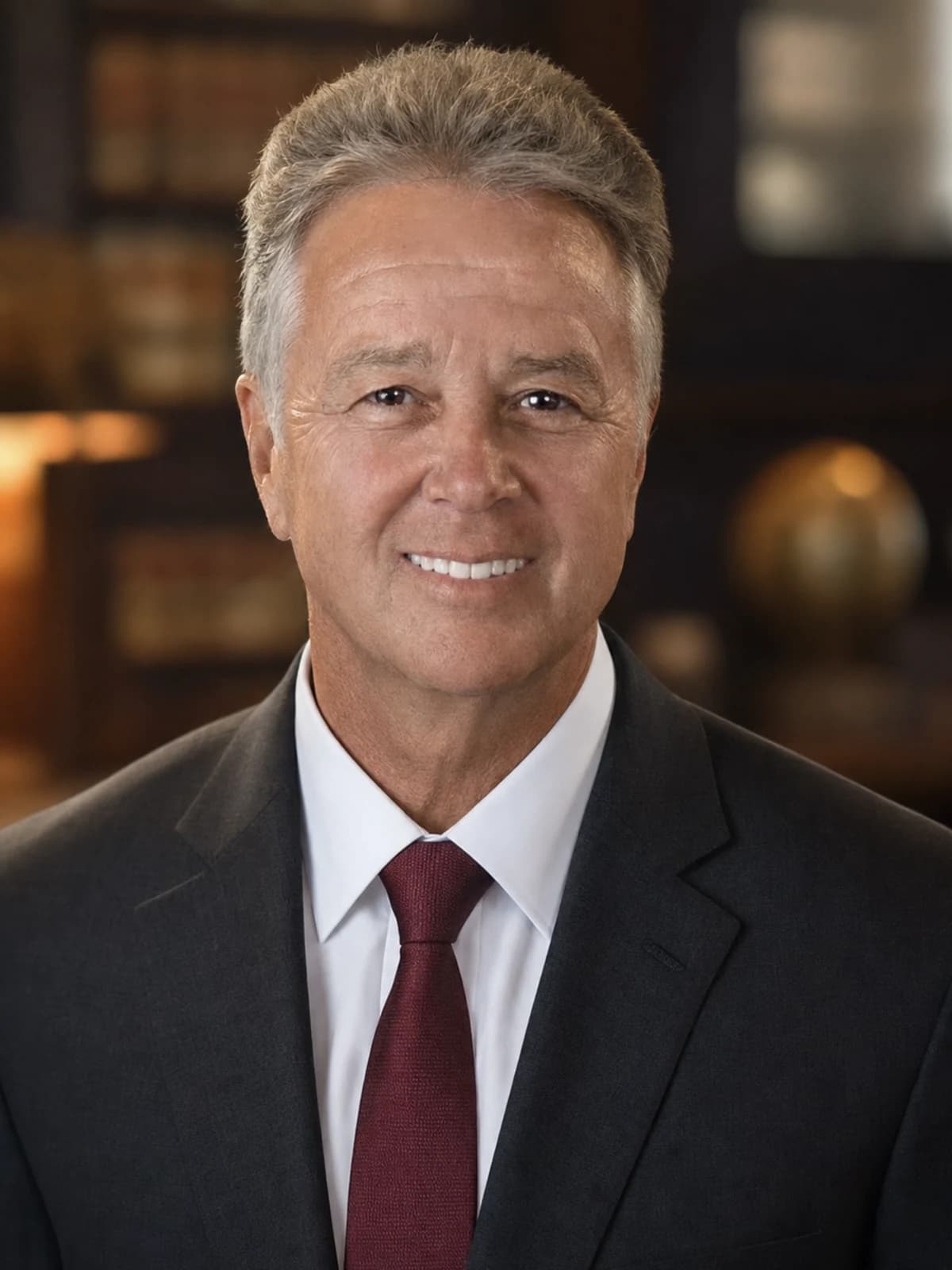
Kenneth J. McKenna has practiced Nevada trial and appellate law since 1980. His record includes capital murder defense, en banc Ninth Circuit argument, a nineteen-day bench trial with the principal judicial examination of First Amendment pretrial rulings, and Nevada Supreme Court opinions that still define the state's law.
The practice is selective by design. Every engagement proceeds on the assumption that the matter will be tried.
Cases That Shaped Nevada Law
An uncurated index of the published record. Tier 1 matters open into a full dossier. Tier 2 and Tier 3 are indexed below for completeness.
Vance v. Judas Priest
The Subliminal Messages Trial.
On December 23, 1985, Raymond Belknap (age 18) and James Vance (age 20) of Sparks, Nevada entered into a suicide pact after hours of listening to the Judas Priest album “Stained Class.” Belknap died at the scene. Vance survived, severely disfigured, and died three years later.
The Belknap family retained Mr. McKenna. The Vance family retained Timothy Post. The two cases merged, with Mr. McKenna taking the lead role. The defense was Judas Priest and CBS Records — represented by counsel with the resources of a major recording label.
- TrialVance v. Judas Priest, Washoe County District Court (1990)
- Pretrial (writ)Judas Priest v. Second Judicial Dist. Ct., 760 P.2d 137 (Nev. 1988)
Title VII appeal in which the Ninth Circuit reversed summary judgment on hostile work environment and failure-to-promote claims against the Nevada Transportation Department.
Commercial products and economic loss doctrine before the Nevada Supreme Court. Cited in Nevada commercial-litigation opinions.
Administrative-law writ proceeding on judicial review of civil-service determinations before the Nevada Supreme Court.
Jurisdictional writ proceeding tied to the subliminal-messages litigation that proceeded to bench trial in Vance v. Judas Priest.
Federal commercial litigation involving gaming industry trade secrets and unfair competition in Nevada’s federal courts.
- 1991D. Nev.Layton v. Yankee CaithnessEnvironmental nuisance
- 19939th Cir.Smith v. SumnerCivil rights (prisoner)
- 1994Nev. Sup. Ct.Snyder v. VianiDram shop / wrongful death
- 19959th Cir.McKenna v. McDanielCapital retrial habeas
- 20069th Cir.Walsh v. Nevada DHRADA / sovereign immunity
- 2011Nev. Sup. Ct.State v. LinstromOral argument (respondent)
Three Domains of Selective Representation
The practice accepts matters where the legal complexity and financial exposure justify the engagement. Scope is established at consultation.
Selective Nevada criminal defense grounded in forty-six years of trial experience and a documented capital-retrial record. From first-degree murder to federal criminal matters, Mr. McKenna considers cases carrying the most serious consequences Nevada’s courts can impose.
- 01.Capital murder and first-degree murder
- 02.Federal criminal matters (D. Nev.)
- 03.Sexual assault defense
- 04.Complex multi-defendant prosecutions
Does not accept DUI, misdemeanors, or routine criminal matters.
Refer the criminal matter.
When a client or an inquiry involves a serious criminal charge that your practice does not handle, referring it to dedicated trial counsel protects both the client and your firm.
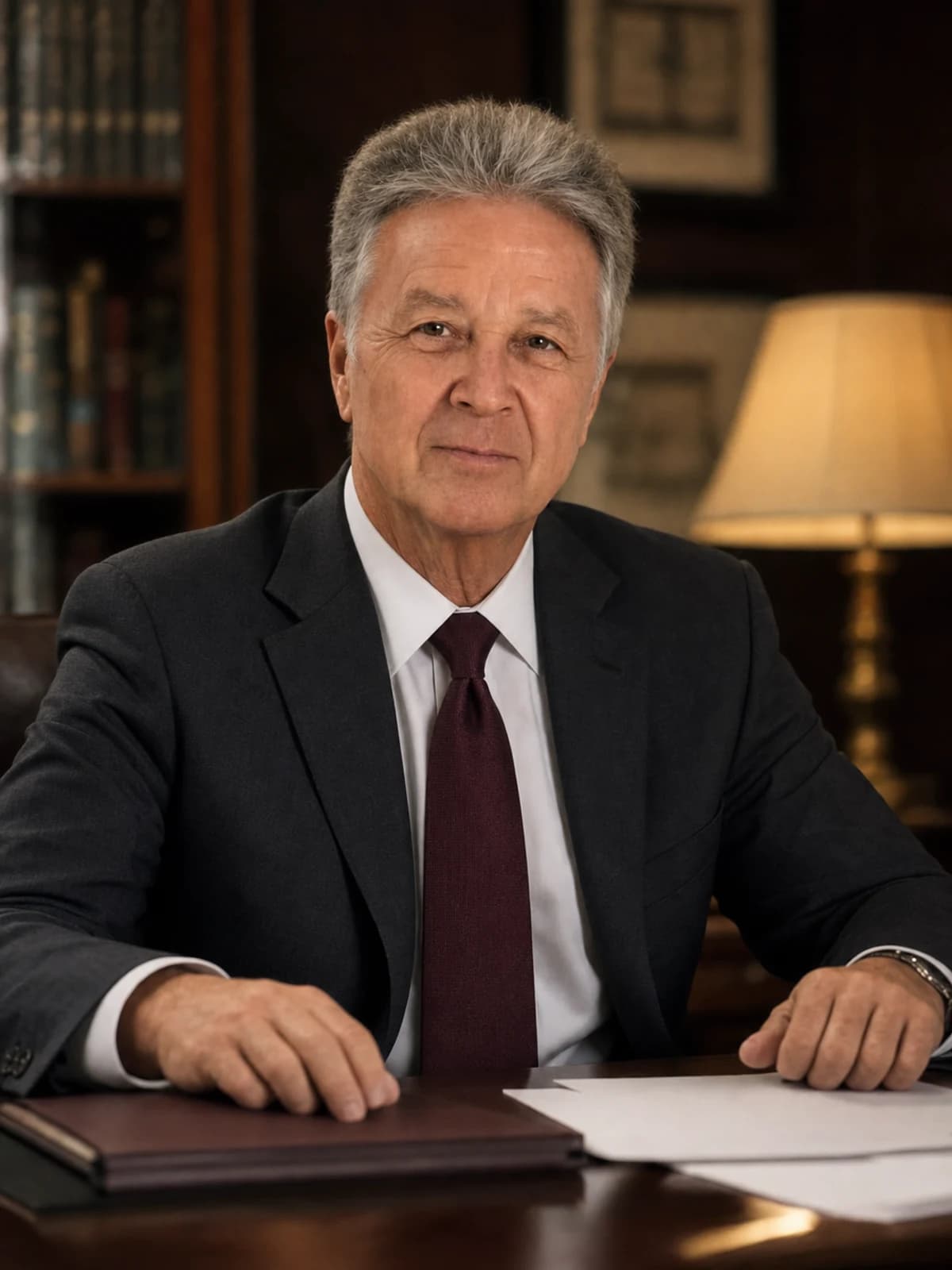
Mr. McKenna accepts serious criminal matters referred by Nevada attorneys — murder, serious felonies, sexual offense allegations, and federal charges — and structures each engagement to preserve the referring lawyer's relationship with the client.
- DIRECT REFERRALThe client is referred for the criminal matter; your relationship with the client on other matters is preserved.
- CO-COUNSELJoint representation — Mr. McKenna leads the criminal defense while your firm stays involved to the extent it prefers.
- TRIAL SPECIALISTFirst-chair trial counsel on a criminal matter your firm holds but is not positioned to try.
Begin a conversation.
Mr. McKenna reviews inquiries personally. A considered reply follows within two business days for matters that meet the criteria of the practice.
- 01.Personal review
Mr. McKenna reviews each inquiry personally before any response.
- 02.Initial response
For matters that meet the criteria of the practice, Megan, Mr. McKenna’s Executive Assistant, will make first contact within two business days.
- 03.Private conversation
A private call or meeting to discuss the matter confidentially, before any engagement exists.
- 04.Engagement, or referral
If the matter fits, a written engagement letter follows. If not, a considered referral to counsel who is a better fit.
The intake form is three steps.
Submitting an inquiry does not create an attorney-client relationship. Information sent here is not protected by attorney-client privilege until such a relationship is formed in writing.