
About · Plate I.
Forty-six years,
one trial lawyer.
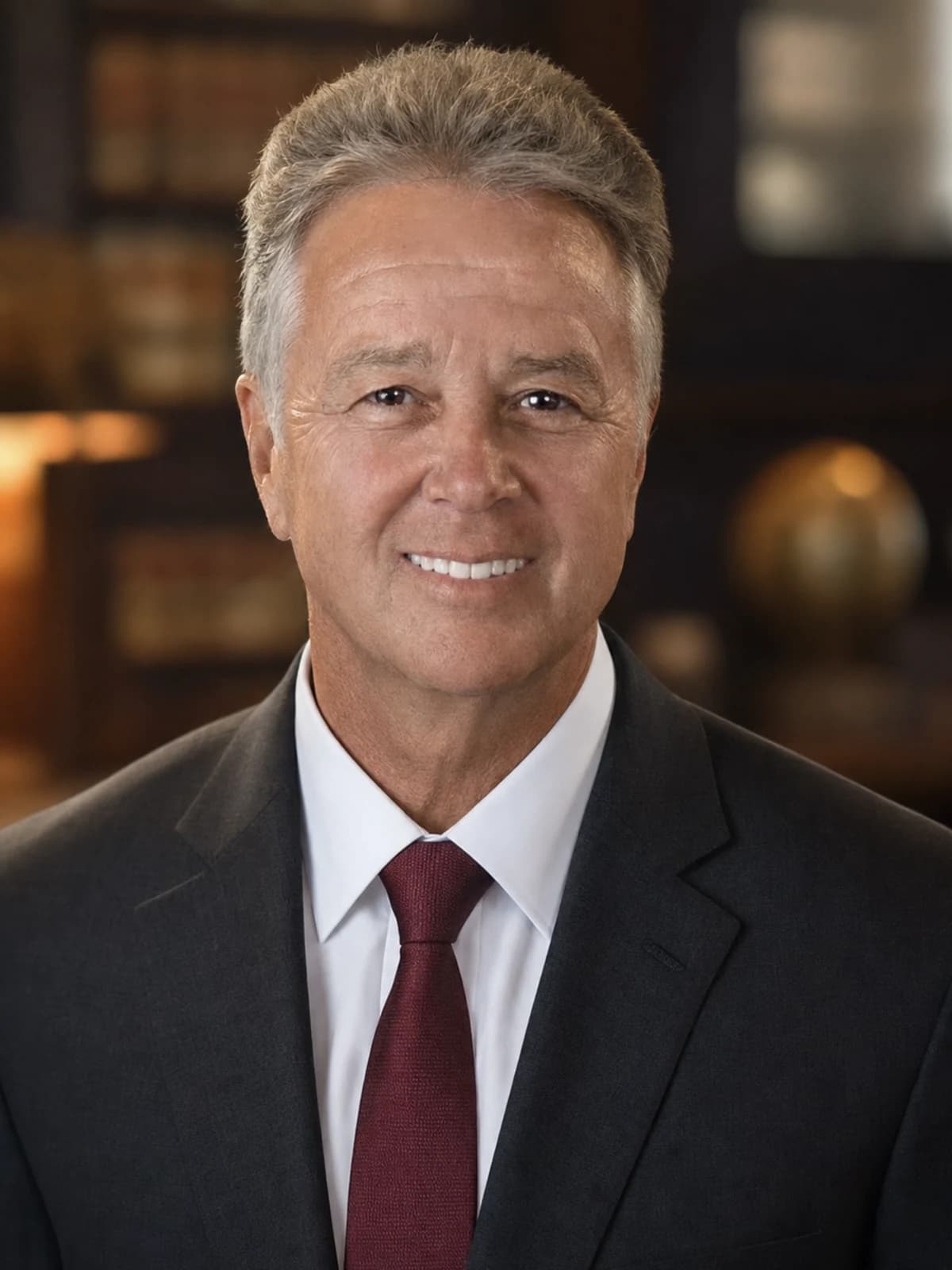
Kenneth J. McKenna was admitted to the Nevada State Bar in 1980. He has spent forty-six years in Nevada state and federal courts — trying cases that redefined the law, carrying appeals to the Ninth Circuit en banc, and defending men and women whose freedom, fortune, or reputation depended on the outcome.
The path, in four chapters.
Admission, early practice, precedent, and the narrowing of scope to selective, trial-ready engagements.
- I1976 — 1980
McGeorge, and the bar
Undergraduate at the University of Nevada. Law school at McGeorge School of Law. Admitted to the Nevada State Bar in 1980. Bar № 1676. One number, held for forty-six years.
- II1980 — 1989
Early practice and the capital case
First decade in Nevada state and federal trial courts. He took on his brother’s capital case — McKenna v. State — as trial counsel through the capital retrial. The Nevada Supreme Court’s 1985 decision addressed Eighth Amendment, Witherspoon, Witt, mitigation, clemency, and the proportionality-review statute then in effect. Criminal trial practice became the backbone.
↳ Dossier:McKenna v. State - III1990 — 2006
Three precedents
The 1990 Judas Priest bench trial — nineteen days in Washoe County — produced the principal judicial ruling in U.S. history on whether subliminal messages are protected by the First Amendment. Eight years later, Allum v. Valley Bank set the Nevada wrongful discharge standard still cited today. Eight years after that, Jespersen v. Harrah’s went en banc before the full eleven-judge Ninth Circuit.
- IV2007 — 2026
Selective and trial-ready
Moonin v. Tice added a First Amendment prior restraint victory at the Ninth Circuit, now reflected in the circuit’s model jury instructions. The practice narrows to matters where the legal complexity and financial exposure justify the engagement.
↳ Dossier:Moonin v. Tice
Six rules the practice runs on.
- RULE 01.
Prepare every case as if it will be tried.
The ability to try a case is what creates settlement leverage. Preparation is never conditional.
- RULE 02.
Representation is reserved for serious matters.
The practice accepts matters where the stakes justify full trial preparation from the day of retention.
- RULE 03.
Every motion that should be filed is filed.
The client is never asked to weigh thoroughness against cost.
- RULE 04.
Every witness who should be deposed is deposed.
Discovery is driven by the matter, not the budget.
- RULE 05.
The record is the advocacy.
What the court sees is what the court will act on. Write every filing accordingly.
- RULE 06.
The door is narrow, on purpose.
Decline the cases where counsel cannot add value. Accept the ones where experience and talent matter.